Ramadan is one of the most spiritually significant times of the year for Muslims. It is a month of fasting, prayer, Qur’an, charity, repentance and drawing closer to Allah. For many Muslims, the opportunity to perform Umrah in Ramadan is a deeply meaningful experience, combining the blessings of the holy month with worship in the sacred cities of Makkah and Madinah.
Performing Umrah during Ramadan allows pilgrims to spend part of this blessed month in the atmosphere of the Masjid al-Haram, increase their acts of worship and dedicate their time to reflection and devotion.
In this guide, we explore the significance of Umrah in Ramadan, its spiritual rewards, what makes Ramadan Umrah special, how to prepare, and important practical considerations for pilgrims travelling from Australia.
Why Is Umrah in Ramadan So Special?
Ramadan is a month in which Muslims strive to increase their worship and seek the mercy and forgiveness of Allah. Being in Makkah during this month can provide a unique environment for worship.
The days can be filled with fasting, Qur’an recitation, dhikr, dua and prayer, while the nights offer opportunities for Taraweeh, Tahajjud and additional worship.
For pilgrims, performing Umrah during Ramadan can therefore become much more than completing the physical rituals of Umrah. It can be an opportunity to slow down, reflect and dedicate time to spiritual growth.
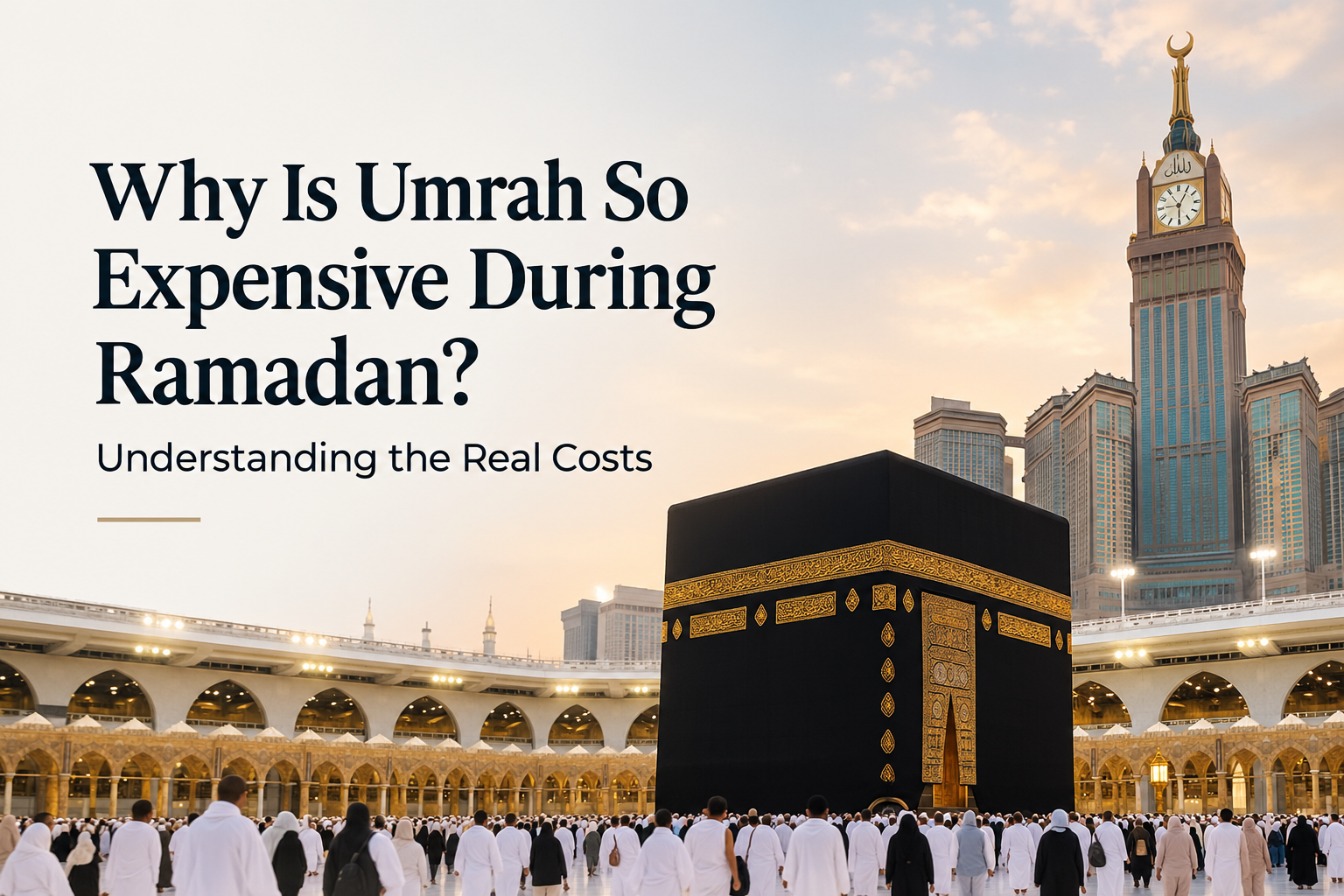
The experience of seeing the Kaaba, praying in Masjid al-Haram and making dua in the sacred surroundings can be deeply moving.
The Reward of Umrah During Ramadan
One of the most well-known reasons Muslims seek to perform Umrah during Ramadan is the hadith concerning its reward.
Ibn Abbas (may Allah be pleased with him) reported that the Prophet Muhammad ﷺ said to a woman from the Ansar that an Umrah performed in Ramadan is equivalent in reward to Hajj.
This narration is recorded in Sahih al-Bukhari and Sahih Muslim.
However, it is important to understand this correctly. Scholars explain that the reward mentioned in the hadith does not mean that Umrah during Ramadan removes the obligation of performing Hajj for someone who is required and able to perform Hajj.
Hajj remains a separate obligation with its own conditions, rituals and prescribed time.
Rather, the hadith highlights the tremendous virtue and reward associated with performing Umrah during Ramadan.
For Muslims who have the ability and opportunity, this makes Ramadan Umrah an especially treasured act of worship.
Umrah and the Spiritual Atmosphere of Ramadan
There is something uniquely powerful about experiencing Ramadan in Makkah.
Imagine beginning your day with suhoor, fasting throughout the day and then making your way towards Masjid al-Haram as Maghrib approaches.
The atmosphere around the Haram during Ramadan can be filled with worshippers from around the world. People gather for iftar, prayer and remembrance of Allah.
After Maghrib and Isha, pilgrims can attend Taraweeh prayers and spend additional time in worship.
For many people, Ramadan in Makkah becomes an opportunity to temporarily step away from everyday routines and focus more intentionally on faith.
Performing Umrah in Makkah During Ramadan
The rituals of Umrah remain the same regardless of whether you perform Umrah in Ramadan or another time of the year.
Generally, Umrah involves:
- Entering into Ihram at the appropriate Miqat.
- Making the intention for Umrah.
- Performing Tawaf around the Kaaba.
- Performing Sa'i between Safa and Marwah.
- Completing the shaving or trimming of the hair.
Although the rituals themselves are familiar to many Muslims, performing them while fasting during Ramadan can require additional physical preparation.
Pilgrims should plan their worship around their energy levels, stay hydrated between fasting hours and allow themselves sufficient time to rest.
Fasting While Performing Umrah
One important consideration for Ramadan Umrah is the physical demand of fasting while travelling and performing worship.
Pilgrims may experience long days, walking, crowds and warm weather depending on the time of year.
Islam provides concessions for travellers regarding fasting, and individuals should learn the relevant rulings that apply to their own circumstances. If you have questions about whether you should fast while travelling or during your Umrah journey, speak with a qualified Islamic scholar.
The priority should always be to worship Allah while also taking reasonable care of your health and wellbeing.
The Importance of Dua During Ramadan
Ramadan is a month of increased dua and reflection.
When visiting Makkah, many pilgrims take the opportunity to make personal dua at different stages of their journey.
You may make dua for:
- Your parents and family
- Your children
- Your health and wellbeing
- Forgiveness for your sins
- Guidance and steadfastness
- Your future
- Those experiencing hardship
- The wider Muslim Ummah
- Success in this life and the Hereafter
Rather than focusing only on memorising a long list of duas, take time to sincerely speak to Allah and ask for what is important to you.
Ramadan and the Qur'an
Ramadan is closely associated with the Qur’an.
Many Muslims aim to increase their Qur’an recitation during the month, and being in Makkah can provide an environment that encourages greater focus on worship.
You can establish a simple routine during your Umrah trip, such as:
- Reading Qur’an after Fajr
- Reciting during quiet periods during the day
- Listening to Qur’an while travelling
- Reading before or after prayers
- Setting a realistic daily reading goal
The goal is not simply to complete a certain number of pages. It is also about reflection, understanding and allowing the Qur’an to influence your heart and actions.
Taraweeh in Makkah During Ramadan
One of the experiences many pilgrims look forward to is attending Taraweeh prayers at Masjid al-Haram.
The sight of thousands of worshippers praying together in the sacred mosque can be unforgettable.
For pilgrims staying in Makkah, attending Taraweeh can become an important part of the Ramadan routine.
Because the mosque and surrounding areas can become extremely busy, pilgrims should plan their movements carefully and allow plenty of time when travelling to and from the Haram.
Laylat al-Qadr and the Last Ten Nights
The last ten nights of Ramadan hold a special place in Islamic worship because of Laylat al-Qadr, the Night of Decree.
The Qur’an describes Laylat al-Qadr as better than a thousand months.
For this reason, many Muslims increase their worship during the final ten nights by focusing on prayer, Qur’an, dhikr, charity and dua.
Being in Makkah during the last ten nights can be a particularly profound experience for those who are able to make the journey.
However, the crowds can also become exceptionally large, so pilgrims should prepare themselves mentally and physically and follow current guidance from Saudi authorities.
Makkah or Madinah During Ramadan?
Both Makkah and Madinah have enormous spiritual significance, but they offer different experiences for travellers.
Makkah is home to the Kaaba and Masjid al-Haram, where Muslims perform Tawaf and Umrah.
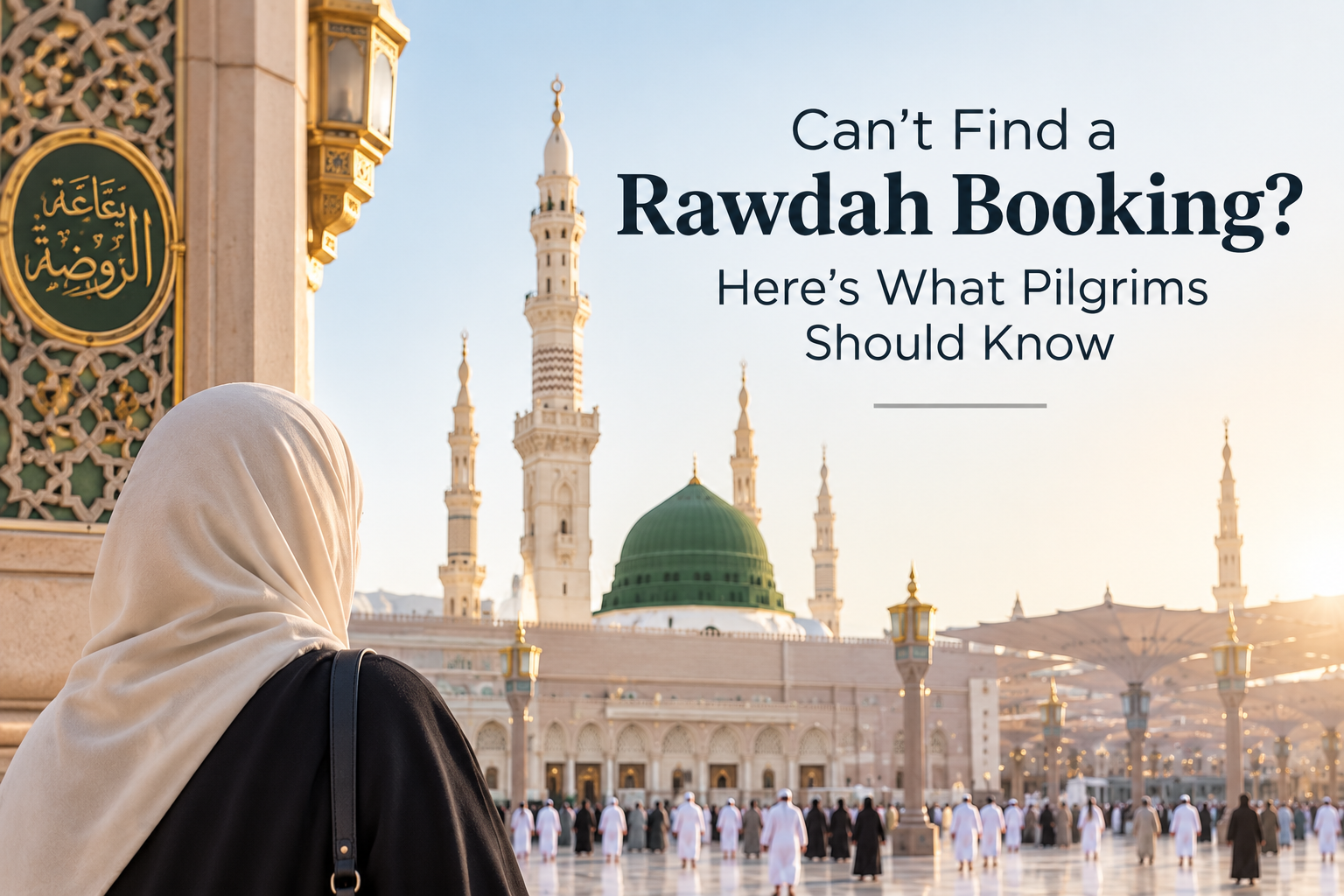
Madinah is home to Al-Masjid an-Nabawi, the Prophet's Mosque, and is deeply connected to the life and legacy of Prophet Muhammad ﷺ.
Many pilgrims choose to visit both cities during their Ramadan journey.
A carefully planned itinerary can allow you to experience worship in both Makkah and Madinah without making your journey unnecessarily rushed.
What Is the Best Time to Perform Umrah in Ramadan?
There is no single "best" time that is suitable for everyone.
Some pilgrims prefer the beginning of Ramadan because crowds may differ from the final days. Others specifically want to experience the final ten nights and seek the blessings associated with Laylat al-Qadr.
Your choice may depend on:
- Your travel dates
- Budget
- Availability of flights
- Hotel availability
- Your physical ability
- Whether you are travelling with children or elderly family members
- Your preference for the first, middle or final part of Ramadan
If you are travelling with family, consider choosing dates and accommodation that make the journey manageable for everyone.
What Should You Consider When Booking Ramadan Umrah?
Planning Ramadan Umrah requires more than simply booking a flight.
Because Ramadan is a particularly popular period for Umrah, flights and hotels can become limited, especially closer to important dates.
Consider the following before booking:
1. Travel Dates
Decide whether you want to travel at the beginning, middle or end of Ramadan.
2. Departure City
For travellers from Australia, flight options can vary depending on your departure city.
3. Hotel Location
Your hotel's location can make a significant difference, particularly when you are fasting and travelling with family.
Consider how convenient the hotel is for reaching the Haram and what transport options are available.
4. Room Type
Families and couples may have different accommodation requirements, so make sure the room configuration suits your travellers.
5. Flights
Compare available flight options and consider transit times, baggage allowances and arrival/departure schedules.
6. Transport
Reliable airport transfers and intercity transport can make your journey considerably easier.
7. Visa Requirements
Saudi entry and Umrah requirements can change. Always check the latest applicable requirements before travelling and make sure your documents are in order.
Preparing Physically for Ramadan Umrah
Umrah involves walking, standing and navigating busy areas.
If you are not accustomed to long periods of walking, it can be helpful to gradually build your walking routine before travelling.
You should also:
- Wear comfortable footwear where appropriate
- Take regular rest periods
- Avoid unnecessary exertion
- Drink sufficient water during non-fasting hours
- Eat balanced meals during suhoor and iftar
- Carry essential medication if required
- Keep important emergency information with you
- Follow instructions from local authorities
If you have any medical concerns, consult your healthcare professional before travelling.
Preparing Spiritually for Umrah
Physical preparation is important, but spiritual preparation is just as valuable.
Before leaving for Umrah, take some time to learn about the rituals and rulings.
You may want to:
- Study the steps of Umrah
- Learn the relevant duas
- Read about the life of Prophet Muhammad ﷺ
- Increase your dhikr
- Make sincere tawbah
- Set personal spiritual goals
- Make dua for your journey
- Learn the rules related to Ihram
Going into your journey with knowledge can help you feel more confident and allow you to focus on worship.
Travelling to Umrah From Australia
For Australian Muslims, travelling to Makkah for Ramadan Umrah is a significant journey.
Whether you are travelling from Brisbane, Sydney, Melbourne, Perth, Adelaide or another Australian city, planning ahead can help make the experience smoother.
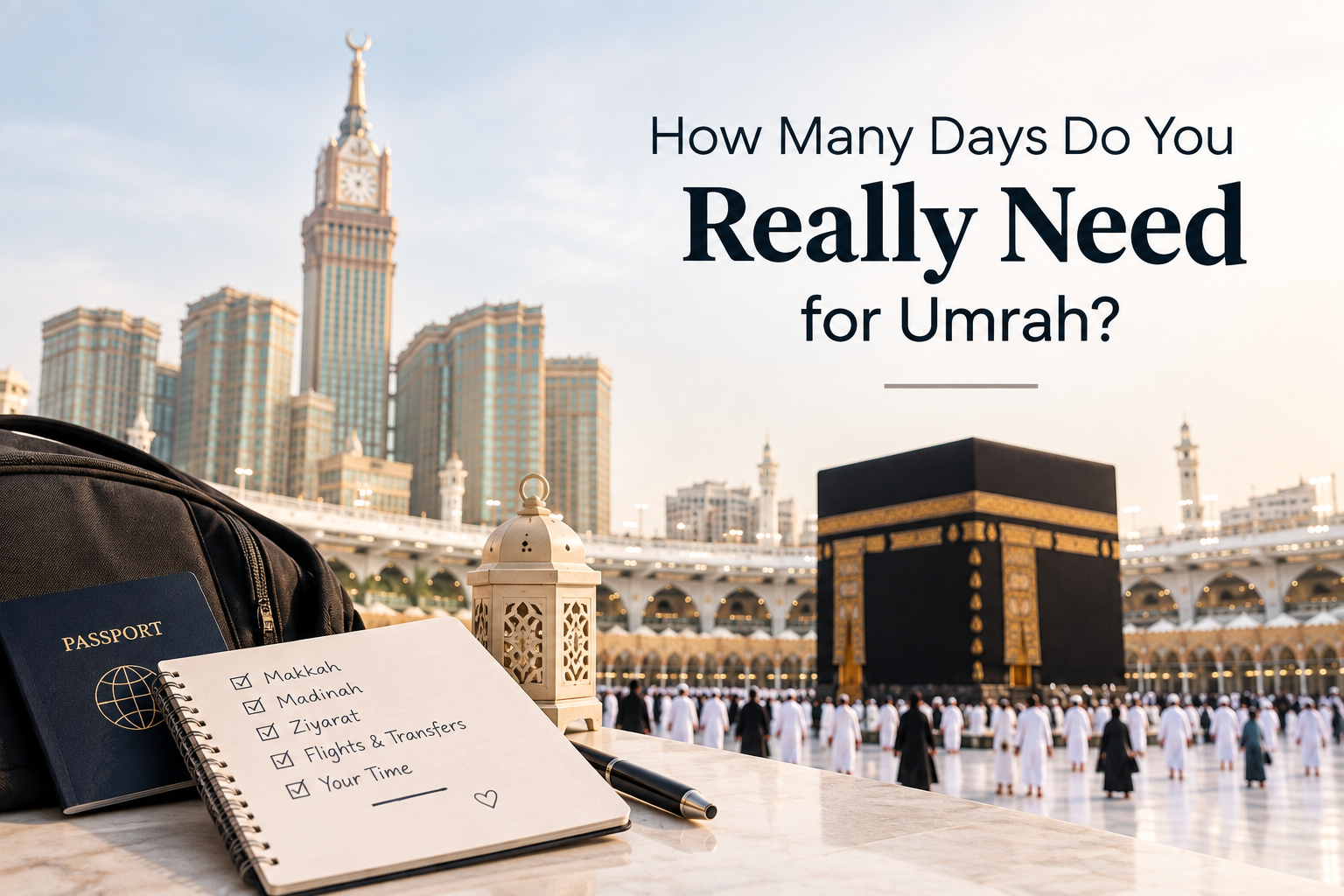
At Miqat Travels, we help Australian travellers organise personalised Umrah journeys according to their travel requirements.
Depending on your chosen package and arrangements, your journey can include assistance with:
- Umrah visa processing
- Return flights
- Makkah accommodation
- Madinah accommodation
- Transport
- Airport transfers
- Intercity transfers
- Ziyarat arrangements
- Travel planning and support
We understand that every traveller has different needs, which is why Ramadan Umrah arrangements can be tailored around your preferred travel dates, departure city, accommodation preferences and other requirements.
Ramadan Umrah Packages From Australia
If you are considering performing Umrah during Ramadan, planning early can give you more flexibility when choosing your travel dates, flights and accommodation.
Miqat Travels offers Ramadan Umrah packages from Australia, with options designed for individuals, couples and families.
Whether you are travelling alone, with your spouse, with children or with family members, we can discuss your requirements and help you plan a journey that suits your needs.
Explore our Ramadan Umrah packages and contact Miqat Travels to discuss your preferred dates, departure city, accommodation and travel requirements.
A Ramadan Journey to Remember
Umrah in Ramadan can be a deeply meaningful journey — one that combines pilgrimage, fasting, prayer, Qur’an, dua and reflection.
For many Muslims, standing before the Kaaba during this blessed month is an experience they remember for the rest of their lives.
The journey is not simply about travelling to another country. It is an opportunity to step away from everyday distractions, increase worship and reconnect with Allah.
If you have been thinking about performing Umrah during Ramadan, start preparing early. Learn the rituals, organise your travel arrangements, consider your accommodation carefully and prepare yourself spiritually for the journey.
May Allah accept the Umrah of every pilgrim, accept their fasting and prayers, forgive their shortcomings and return them home with their hearts strengthened in faith.
Planning your Ramadan Umrah from Australia? Explore Miqat Travels Ramadan Umrah packages and start planning your journey to Makkah and Madinah.